Built on consistency

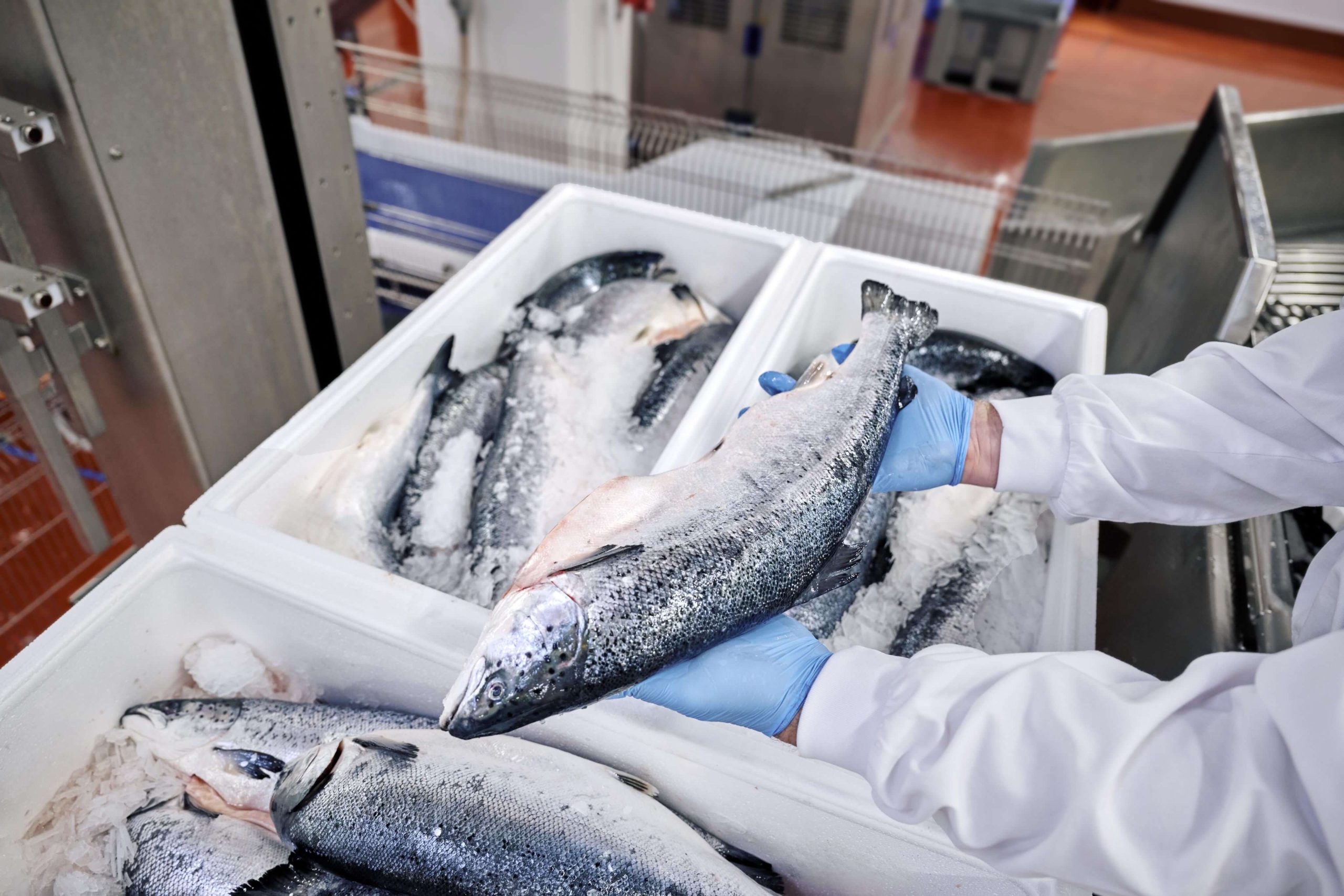
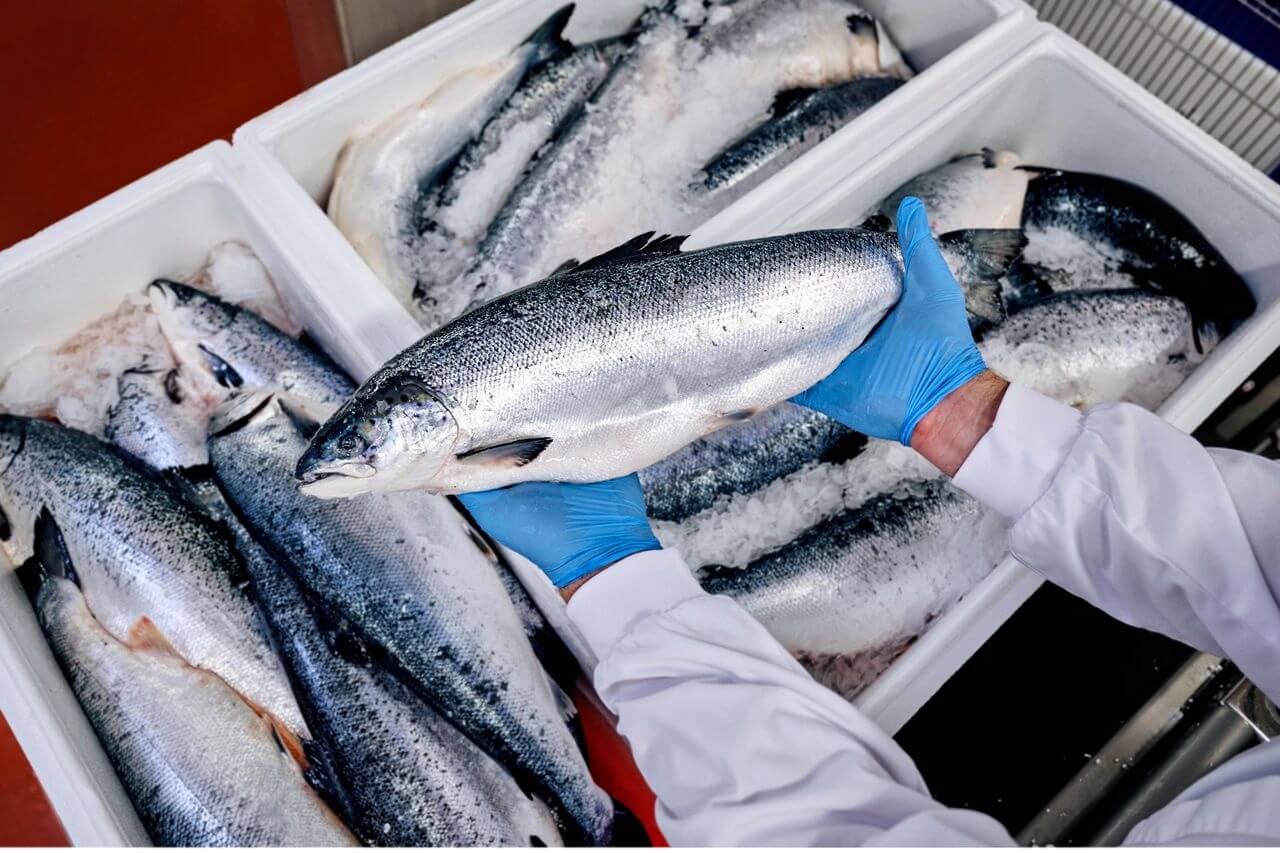
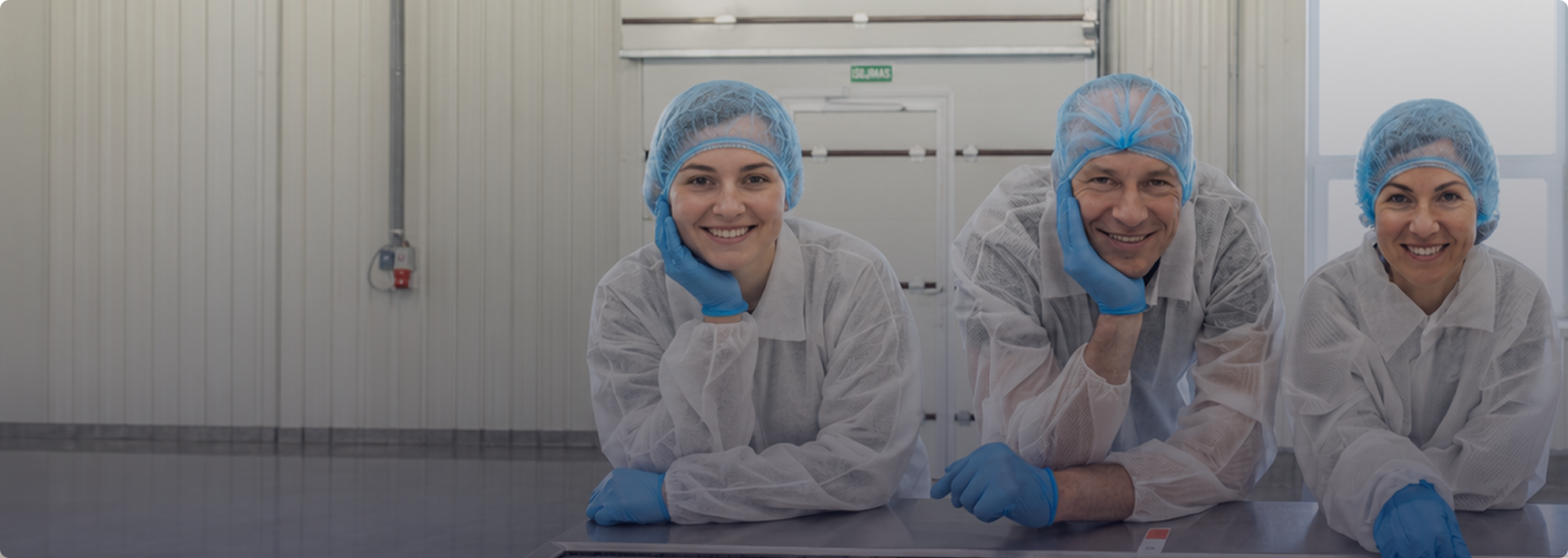
Smoked salmon and surimi products, produced at scale for retail, distribution and food production. Our facility and our markets have developed considerably – our standards have not moved.

Company timeline

1868

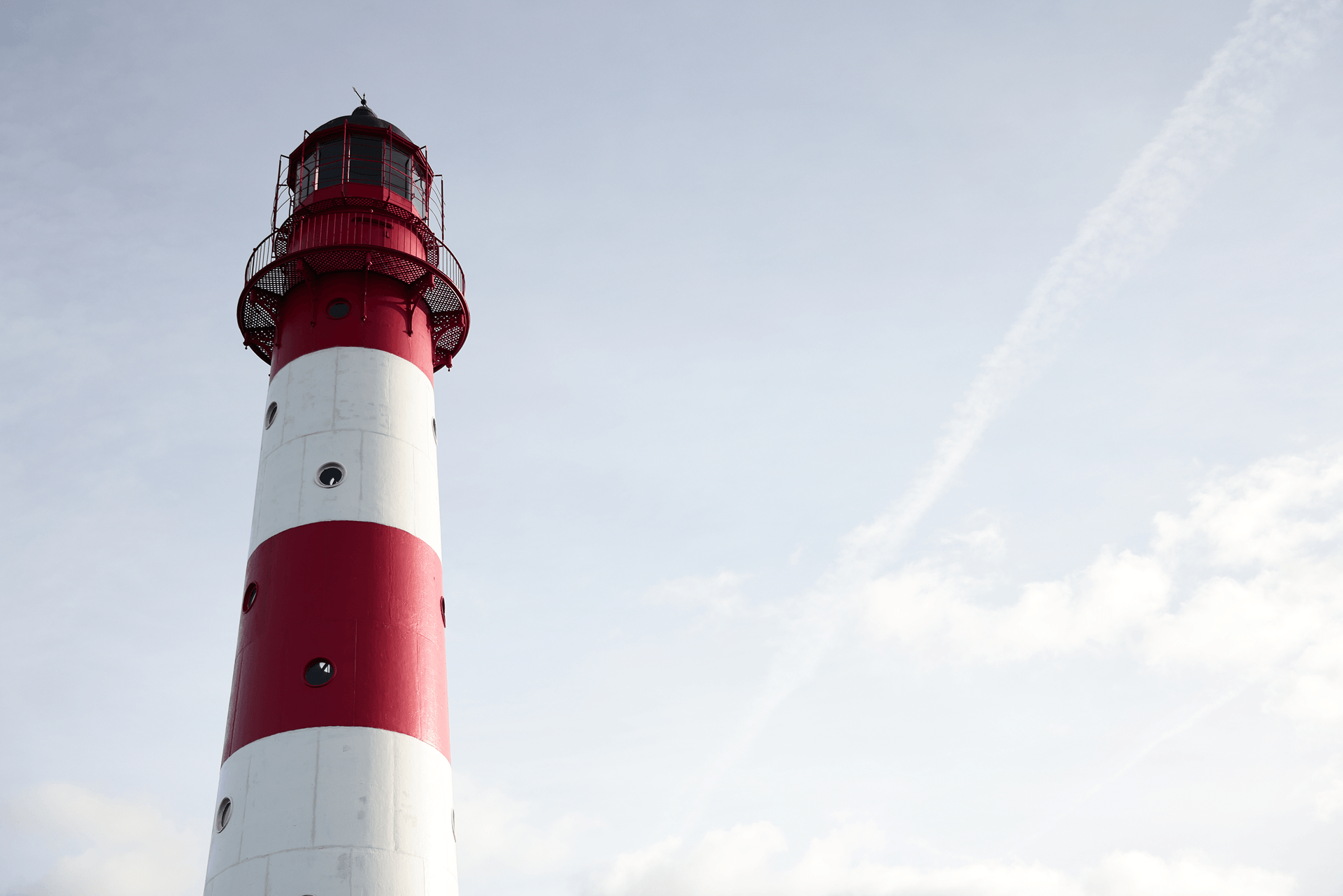
The lighthouse

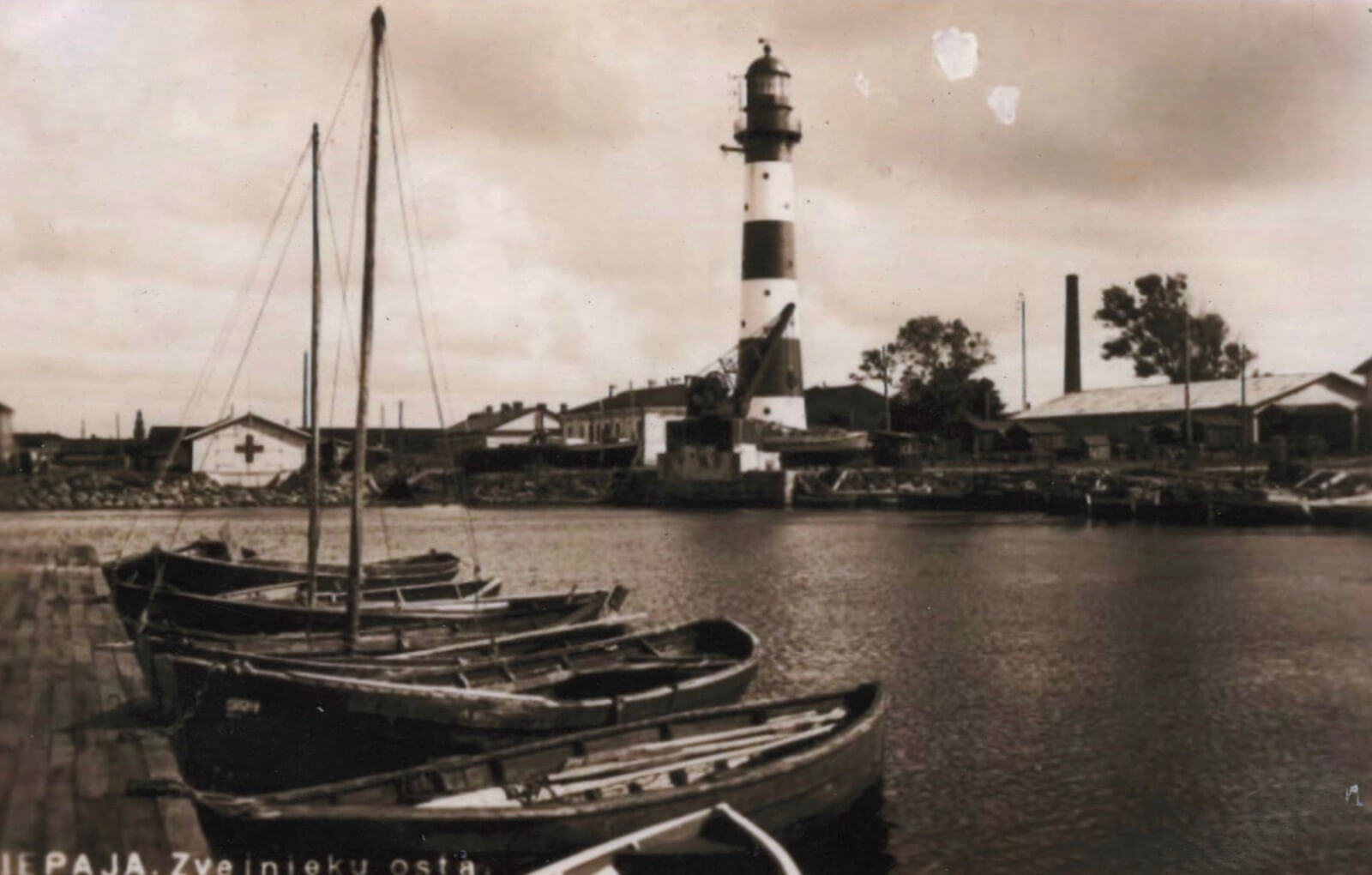
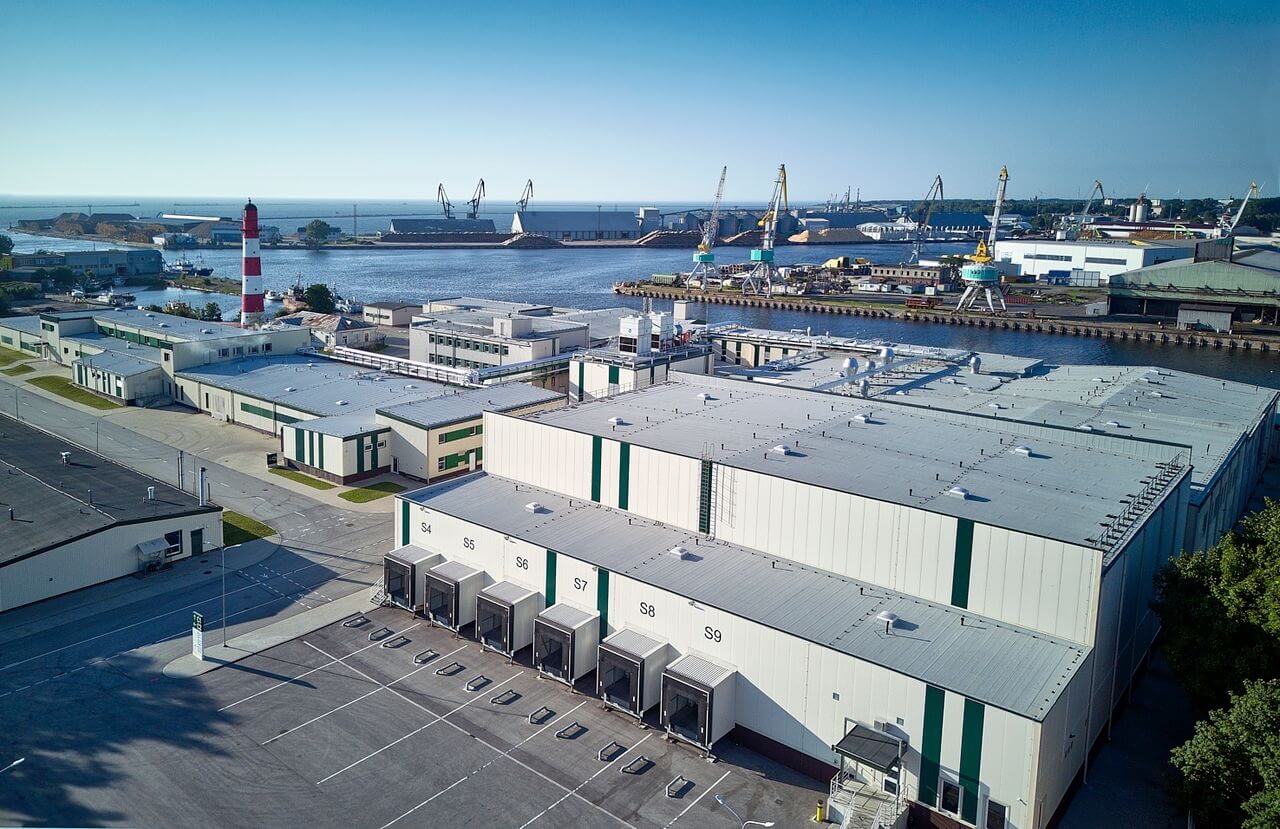
Long before there was a factory here, there was a light. The Liepāja lighthouse has guided ships along this coast since 1868, and it still works today. For us it stands for the things we try to be: reliable, distinct, and steady in bad weather.

1892

A fish factory on the Baltic Sea

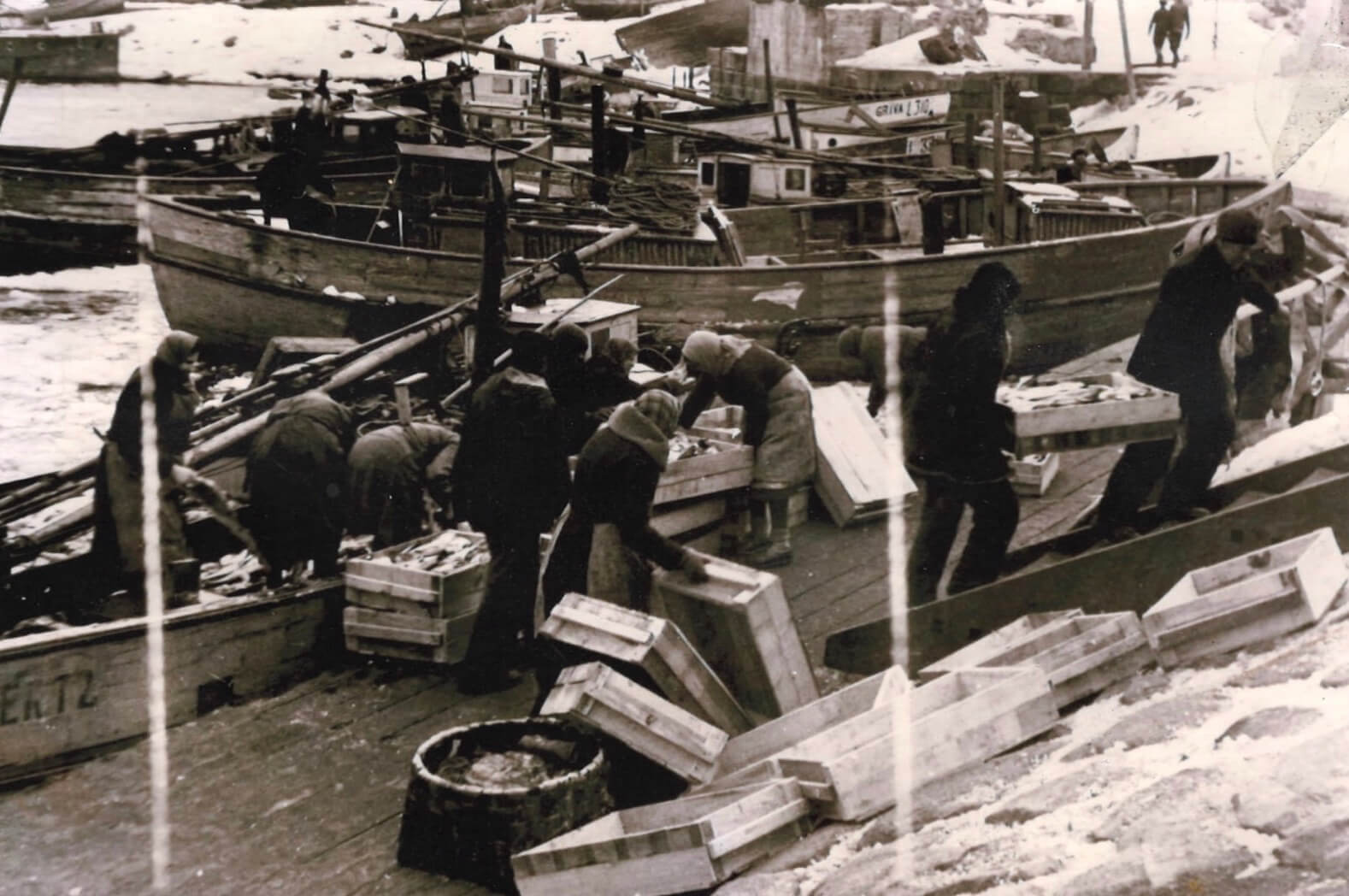
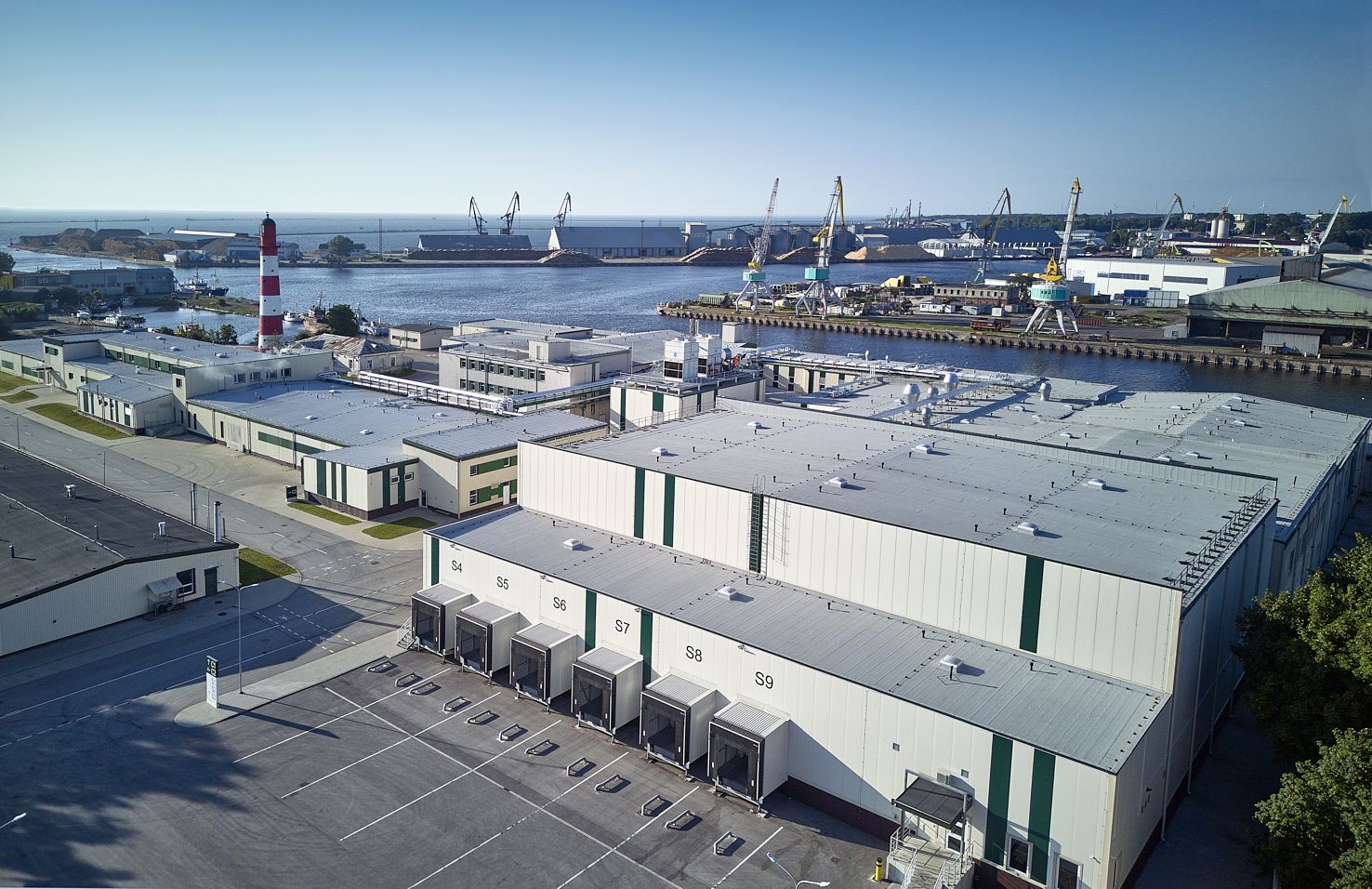
The building we work in was built in 1892 as a fishing complex, on the shore of the Baltic Sea in Liepāja. Generations of people processed fish in these walls before us. The trade here is older than the company doing it.

2020

We chose restoration over construction

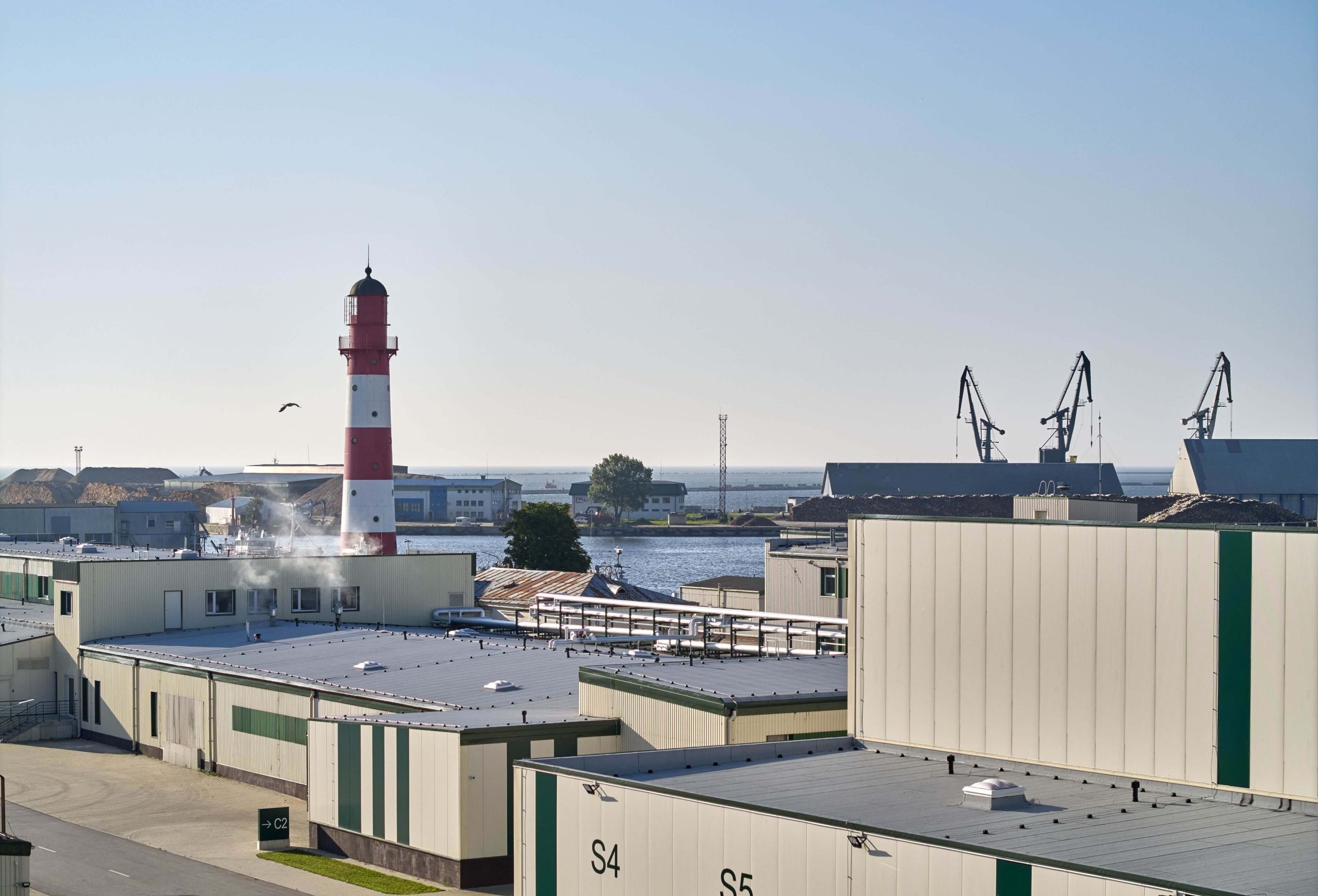
When Nersea needed a plant, the easy answer was to build a new one. We restored the 1892 complex instead — because the least wasteful building is usually the one that already exists. It took longer and cost more, and we’d do it again.

Today

Latvia's most advanced fish processing plant

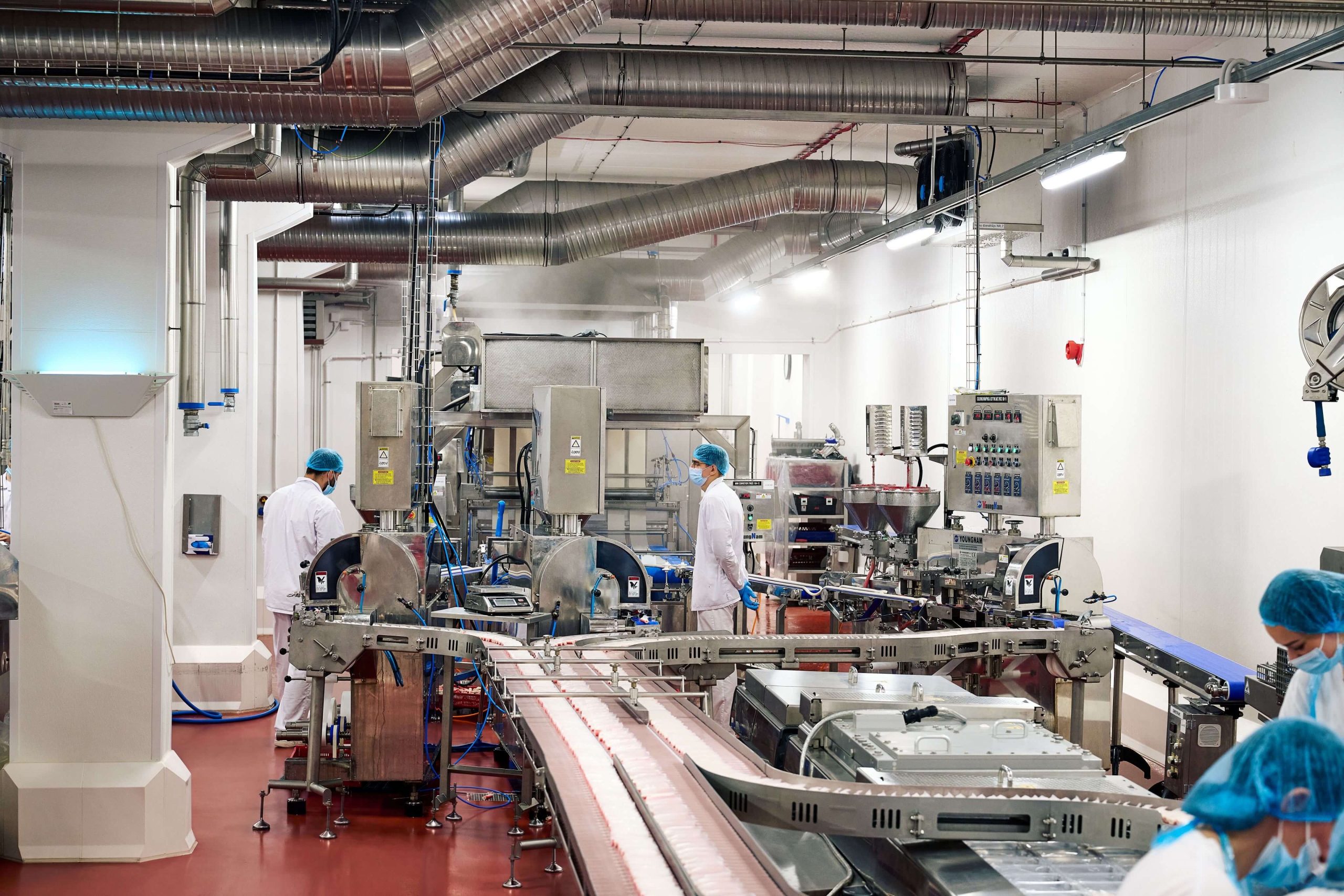
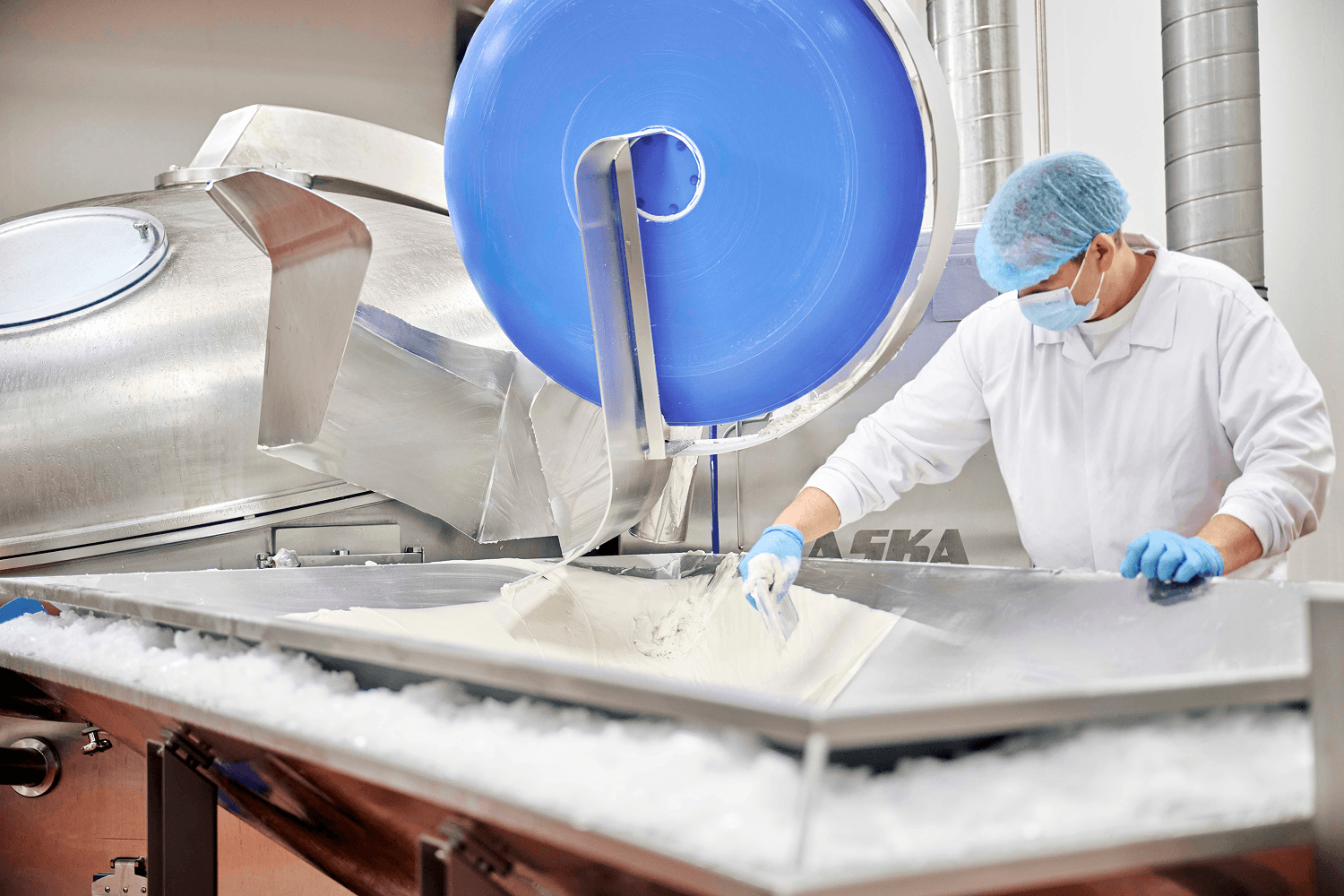
Inside a nineteenth-century building sits some of the most modern fish processing equipment in the region. Salmon smokehouses, surimi lines and cold chain systems built to current standards, run by people who know the product. Old walls, new machines – the combination is the point.

Next

Traditions worth keeping, methods worth changing

We’re continuing to modernise how we make our products, without changing what makes them good. Faultless taste, sustainable practice, and responsibility to the customers who put our fish on the table. That’s the standard we hold, and it’s the one we intend to keep raising.

Our vision

The New Normal

A future where salmon and surimi products are made the way we think they should be: from raw material we can account for, by people who stay long enough to master it.

We’d like the rest of the industry to find that normal rather than notable.

Our mission

No Shortcuts

We take good raw material and make it better, without shortcuts that show up on the plate.

That means knowing where every fish came from, getting as much food as possible out of each one, and checking the result before anyone else has to.

What we
stand for

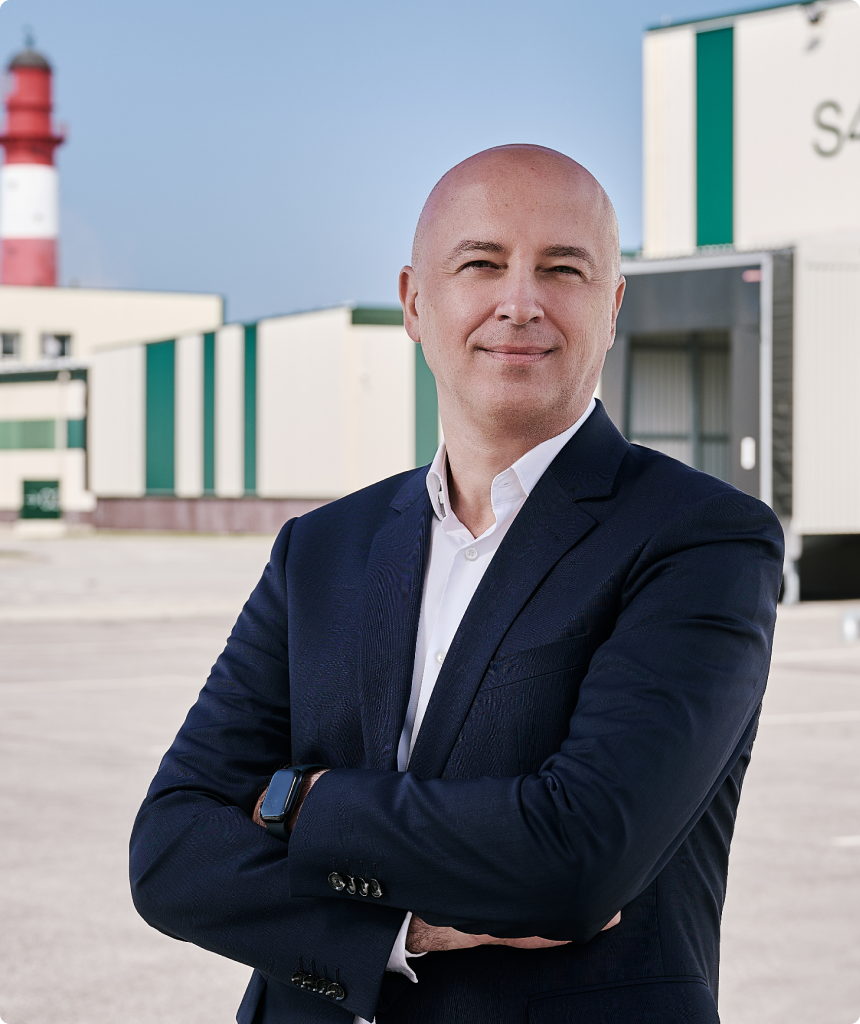
Sigitas Ambrazevicius

General manager

“Our salmon and surimi products are made by people who care about what leaves the plant. We value that, we’re open with our team, and we’ve given them a production environment worth working in.

The investment behind it is €80 million in modern facilities in Liepāja – a major industrial project brought to life, and now a working plant supplying international partners. Committed people, advanced production and established markets: that’s what Nersea is building on.

Alongside the investment, we’re building relationships. Quality and openness are how we do business, and they’re the reason partners stay with us.”

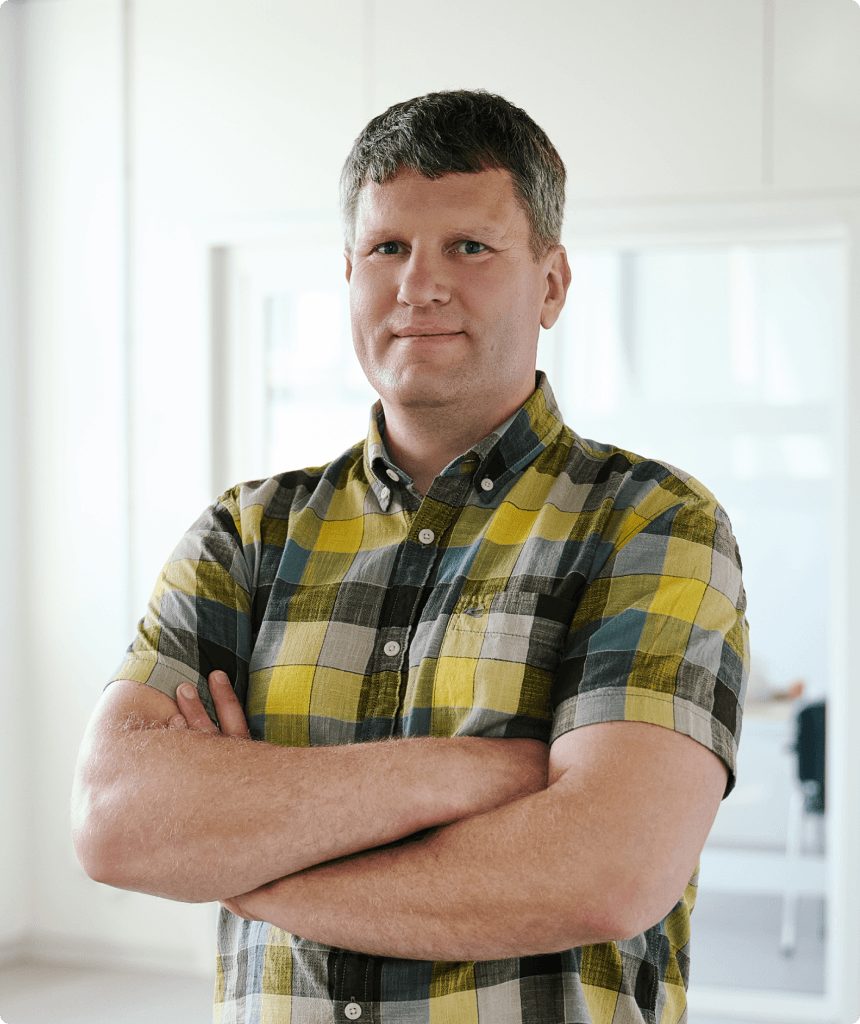
Tomas Strumskas

Chief Executive Officer 

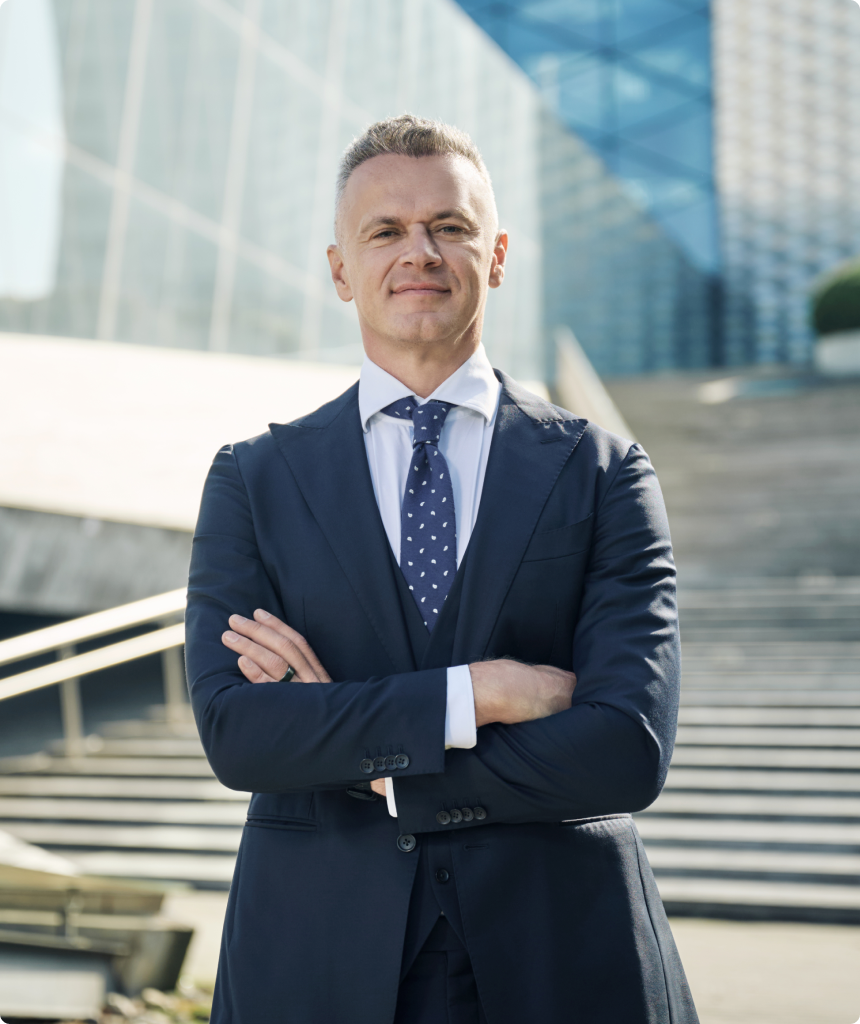
“This is a company in the middle of its most ambitious period, and I joined to help see it through.

We have a modern plant in Liepāja, two product lines with real potential, and a team that knows what good looks like.

My focus is turning that into steady, international growth – without changing what makes the product worth buying.”

Our team

Quality and compliance

BRCGS

A global food safety standard originally developed by British retailers and now used by exporters worldwide. Certification covers product quality, hygiene and safety across the whole operation, and is audited independently.

For buyers, it’s a widely recognised signal that a supplier’s controls have been checked against a demanding external benchmark.

IFS Food

An independent standard for food producers, fully recognised by the Global Food Safety Initiative.

It assesses quality management systems, HACCP, and good manufacturing, laboratory and hygiene practice — with particular attention to food defence, meaning deliberate contamination and tampering, not just accidental risk.

EcoVadis

A business sustainability rating used by companies to assess their suppliers’ environmental, social and ethical performance. Assessments are evidence-based, reviewed by analysts, and scored against benchmarks for the specific industry and company size.

Unlike a pass/fail certificate, it produces a score – which means it shows both where a company stands and where it needs to improve.

ASC (Salmon Factory)

The ASC label only appears on farmed seafood from farms that have passed independent assessment on their environmental and social practice. Ours is certified under code ASC-C-02593.

GLOBAL G.A.P . (Salmon Factory)

An internationally recognised standard ensuring production is safe and sustainable. It demands greater efficiency, stronger performance and less waste of the resources production depends on.

Kosher (Salmon Factory)

Kosher refers to food and drink that conforms to the Jewish dietary laws of kashrut, which set out what may be eaten and how it must be prepared. Our salmon products are produced and certified accordingly.

Sustainability

More food from every fish, less consumed to make it. We work on yield, on what our plant uses in energy and water, and on what leaves as waste rather than as product.

Safe shifts, fair pay and somewhere worth staying. We invest in training, equipment and conditions because the alternative – constant turnover in a skilled trade – costs more and makes a worse product.

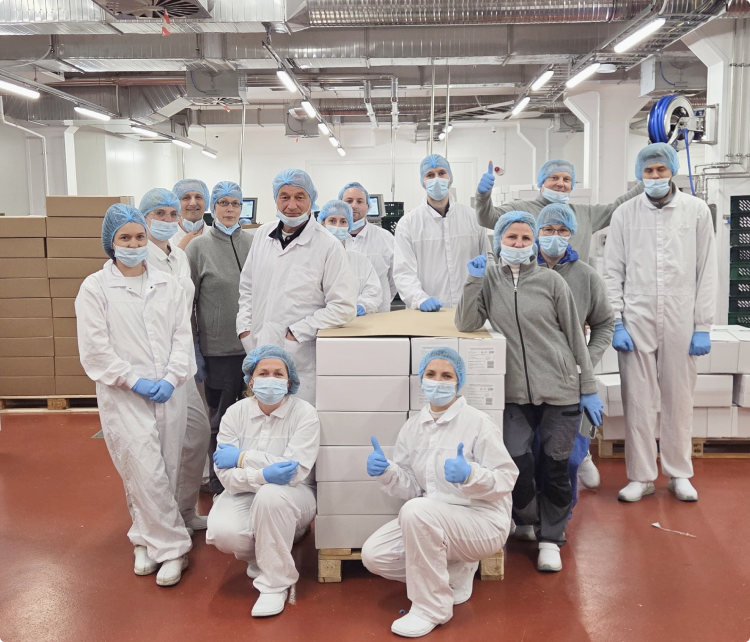
We’re one of the larger employers in Liepāja. Most of our team lives nearby, and a good number have been here long enough to train everyone else.

Join our team

We are looking for people who value quality, responsibility, and innovation. By creating a modern and supportive workplace, we provide opportunities to grow together with our company.

This site is registered on wpml.org as a development site. Switch to a production site key to remove this banner.